Nairobi Assembly Probes Stalled Urban Renewal Projects, Questions Use of Public Land in Private Financing
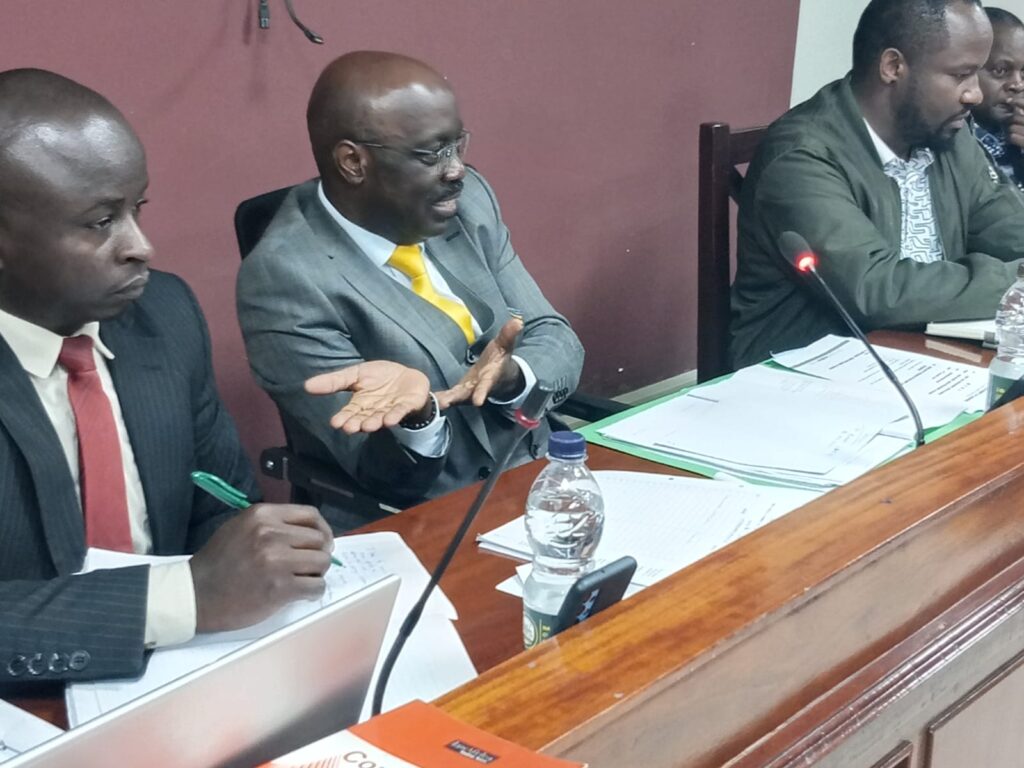
The Nairobi County Assembly Planning Committee has intensified its scrutiny of stalled urban renewal projects, raising concerns over delayed housing units, distressed homebuyers and the use of public land to secure private financing.
County housing officials led by Chief Officer Godfrey Akumali appeared before the committee to explain persistent delays in several flagship housing developments that have left buyers waiting for homes they have already paid for and displaced residents unable to return to their former estates as promised.
At the centre of the inquiry is the Pangani-Ngara Urban Renewal Project, popularly known as the Jevanjee Project, which lawmakers say has failed to deliver expected housing units despite substantial investments and years of construction.
Planning Committee Chairperson Geoffrey Odhiambo Majiwa expressed concern over the plight of residents who have continued to service loans for houses that remain unoccupied due to project delays.
«“Remember there are Nairobians who have already paid for the anticipated housing units, yet the projects have partially stalled and nothing much is happening. Some took loans and are now servicing them without getting their houses. As Chair, I have received several complaints about these urban renewal projects. Kenyans are suffering in silence while developers pocket money and very little progress is being seen,” said Majiwa.»
The committee is also probing claims that developers used county-owned land titles as collateral to obtain substantial loans for the projects.
One of the transactions under review involves Jabavu Village Limited, which entered into a joint venture with the Nairobi County Government and reportedly secured a KSh1.9 billion loan from the National Bank of Kenya using county land titles as security.
The parcels in question are LR No. 209/5458 and LR No. 199739/1, measuring approximately 8.9 acres in Ngara Estate.
Majiwa questioned whether the revenue-sharing formula agreed upon in the original joint venture remains fair, arguing that the county contributed not only the land but also the security that enabled the developer to access financing.
“Ordinarily, when a bank holds a title, it is advancing money to the owner of that title. Our share in the Kariokor-Jevanjee project should have changed drastically because we provided both the land and the security that enabled the financing. The developers were supposed to bring their own money, but they ended up using county land to obtain funding. Therefore, the percentages contained in the original contract cannot stand,” he said.
Lawmakers are expected to further examine the financing arrangements, contractual obligations and implementation status of the projects as pressure mounts on developers and county officials to account for the delays and safeguard public assets.