Old Hankou, Forever Young: How Wuhan Is Reviving Its Historic Streets
Reporter: Hu Yue
From Bagong House, built in 1910, to Xian’an Fang, a traditional lane residence now adorned with trendy shop signs, Old Hankou is embracing a new chapter. From Minzhong Park, where Mei Lanfang once performed, to Yanqing Li, often described as Hankou’s “open-air museum of everyday life,” the Hankou Historical and Cultural Zone is no longer just a collection of historic buildings.
As urban renewal gathers pace, its ancient bricks and tiles are taking on new life, becoming cultural symbols that reflect Wuhan’s defiant “Bu Fu Zhou” spirit.
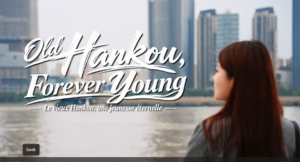
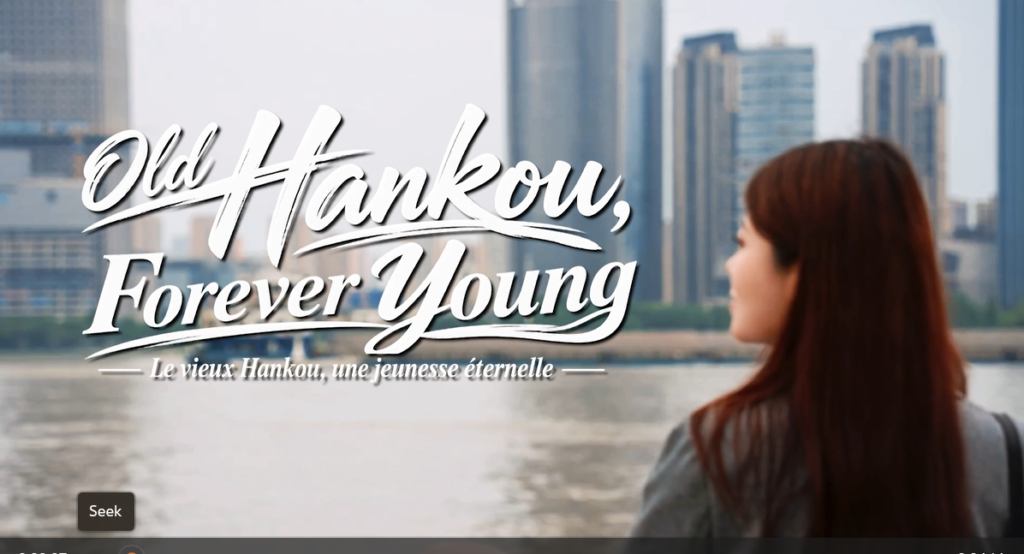
For Ruoqiao, Old Hankou is forever young.
“I grew up right here in this city,” she says. “Those everyday moments where trendiness blends with the warmth of street-side life—that’s the ‘Man San’ (stylish) lifestyle we Wuhan people love.”
This blend of heritage, contemporary trends and the warmth of everyday street life captures the romantic spirit of “reverse growth” that Old Hankou has cultivated over the years.